What they eat, and who eats them
Most snails and slugs eat dead and rotting plants rather than living ones, and plenty of other animals eat them.
Nature’s clean-up crew
Most snails and slugs eat dead and rotting plants, not living ones, so they are important recyclers. Natural History Museum, London: For the love of snails and slugs Slugs and snails are nature’s clean-up crew: they eat rotting plants, fungi, dung and even dead animals, putting nutrients back into the soil. The Wildlife Trusts, 14 March 2024: The Wildlife Trusts and RHS ask gardeners to make friends with molluscs
Fewer than a quarter of Britain’s slug species are big plant-munchers. Royal Horticultural Society: 10 fun facts about slugs (7 March 2024)
Fussy eaters
It likes to eat nettles, ragwort and hogweed. The Wildlife Trusts: White-lipped snail The yellow slug lives close to people, in gardens and in damp, dark corners of houses. It eats fungi, rotting matter and vegetables. The Wildlife Trusts: Yellow slug
Cellar slugs graze on algae, fungi and rotting bits, and don’t harm gardens. Royal Horticultural Society: 10 fun facts about slugs (7 March 2024) Leopard slugs eat fungi, lichens and dead plants, and are also reported to eat other live slugs. Royal Horticultural Society: 10 fun facts about slugs (7 March 2024)
The tree slug feeds on algae and lichen high up in trees: it climbs up in the evening and comes down in the morning looking shrivelled. Royal Horticultural Society: Who’s who in slugs The two-toothed door snail is slender, brown or grey and only 10 mm long. It climbs trees and walls to eat lichens and algae. Natural History Museum, London: Slime Search (with the Conchological Society)
The lemon slug lives only in long-established woodland and eats fungi. Adults come to the surface when the fungi are fruiting. Royal Horticultural Society: 10 fun facts about slugs (7 March 2024)
Meat-eaters
A few snails eat other snails, drilling through their shells with the radula. Natural History Museum, London: For the love of snails and slugs The ghost slug is pure white, almost blind, lives underground and eats earthworms ‘like spaghetti’. Natural History Museum, London: For the love of snails and slugs
The shelled slug Testacella has a small flat shell near its tail, lives almost entirely underground and eats worms. Royal Horticultural Society: Who’s who in slugs
Who eats them
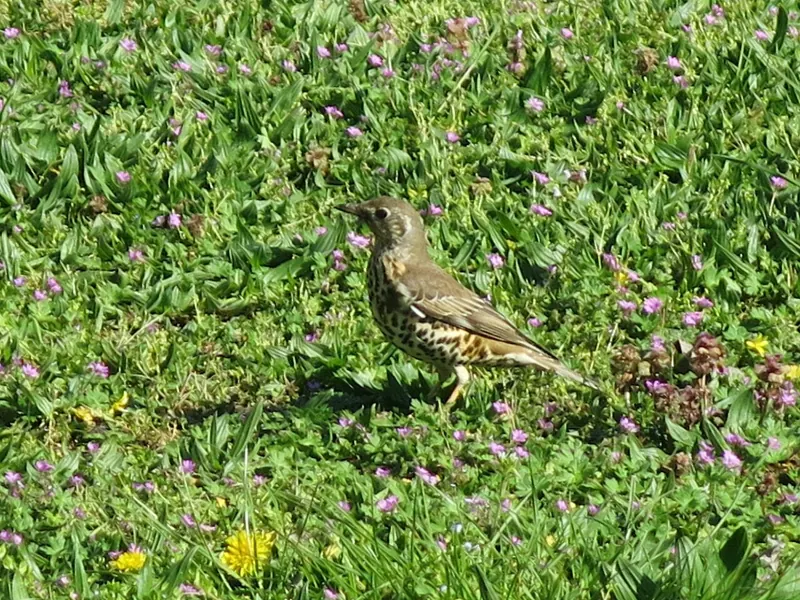
Snails and slugs are food for birds, frogs, toads, hedgehogs, slow-worms and ground beetles. Royal Horticultural Society: Slugs and snails Song thrushes break open brown-lipped snails by banging them on a stone ‘anvil’. The Wildlife Trusts: Brown-lipped snail
Gardening with molluscs
The Natural History Museum’s mollusc curator suggests not using slug pellets, as they might build up in other animals. Natural History Museum, London: For the love of snails and slugs The Wildlife Trusts and the RHS suggest growing plants slugs tend to leave alone, such as lavender, rosemary and hardy geraniums. The Wildlife Trusts, 14 March 2024: The Wildlife Trusts and RHS ask gardeners to make friends with molluscs
Log piles, leaf mulch and long grass give slugs and snails, and the animals that eat them, a place to live. The Wildlife Trusts, 14 March 2024: The Wildlife Trusts and RHS ask gardeners to make friends with molluscs
Keeled slugs stay mostly underground and sometimes tunnel into potatoes. Royal Horticultural Society: Slugs and snails
Next: how to find them →