Slime: glue, germ-fighter and more
Snails and slugs live on a layer of slime. It does far more jobs than you might expect.
Snails and slugs are covered in mucus to stop them drying out. Royal Horticultural Society: Slugs and snails Snails and slugs need to stay wet, so you are most likely to see them when it’s raining. Natural History Museum, London: For the love of snails and slugs
What slime does
Slime works as a glue and stops snails and slugs drying out. It also fights germs. Natural History Museum, London: For the love of snails and slugs Snail slime is sticky and slippery at the same time. Natural History Museum, London: For the love of snails and slugs
Slime acts like a liquid when pushed slowly and like a solid when pushed fast. Natural History Museum, London: For the love of snails and slugs
Moving on slime
A snail moves on its foot, a muscle that ripples in waves to push it forward over a trail of slime. Britannica: How fast are snails? Most snails in the group that includes many land, sea and freshwater snails move at less than 8 cm a minute. Britannica: How fast are snails?
Foam for defence
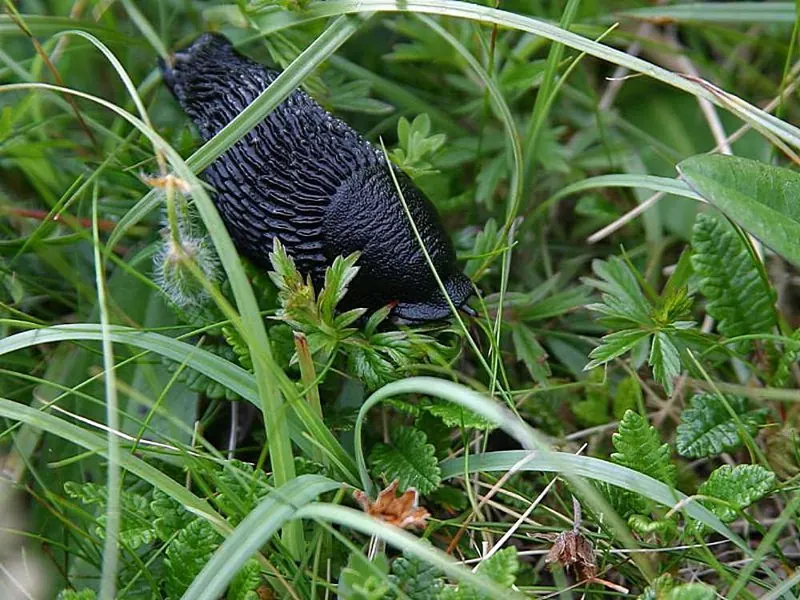
Some species make bubbly, foamy slime to put off birds and small mammals. Natural History Museum, London: For the love of snails and slugs The large black slug can be any colour from yellow to black. When disturbed, it shrinks into a hump and rocks from side to side. Royal Horticultural Society: Who’s who in slugs
A rope of slime
Leopard slugs pair up hanging from a branch on a rope of slime, then climb back up, eating the rope as they go. Australian Museum: Leopard slug
Slime and seals
In winter, snails hibernate in a sheltered spot. Many seal their shell with a plug of mucus first, and they are often found clumped together. Natural History Museum, London: For the love of snails and slugs In dry weather a garden snail can stick itself to a surface or close its shell with a papery seal called an epiphragm. Dekle & Fasulo, Brown garden snail, University of Florida IFAS Featured Creatures (EENY240)
Tell-tale trails
Slugs feed at night, so holes and slime trails are often the only clues. Royal Horticultural Society: Slugs and snails Some slugs clean algae off greenhouse glass, leaving patterns behind. Royal Horticultural Society: Who’s who in slugs
Slugs are hard to name: experts look at the breathing hole, the mantle and even the colour of the sole and slime. Royal Horticultural Society: Who’s who in slugs
Next: eggs to adults →